See how Vyrill unlocks insights from your videos. Book A Demo
How to Scale Authentic Video Capture: The Automated UGC Strategy
March 9, 2026
An automated UGC strategy for e-commerce means deploying software systems that
instantly
capture customer videos via contests, analyze sentiment with AI, secure legal licensing,
and
syndicate the rated content directly to sales channels like TikTok Shop and
Shopify.
The era of static, text-based reviews driving e-commerce conversions is over. Today's
consumers crave
authenticity, and video is the undisputed king of building trust. A staggering 89% of
consumers say
video helps them make purchasing decisions, driving higher average order values and slashed
return
rates. In fact, comprehensive industry data reveals that consumers
find UGC 2.4x more authentic than brand-created content, making it the most powerful
tool
for bridging the gap between discovery and conversion. However, for E-commerce Directors and
Marketing Leaders, capturing high-quality, authentic user-generated video content at scale
remains a
massive logistical bottleneck.
You already know that video drives ROI, but extracting it from customers—and securing the
legal
rights to use it—is a manual nightmare. This is exactly where a cohesive UGC strategy for
e-commerce
comes into play. An automated UGC strategy for e-commerce means deploying software systems
that
instantly capture customer videos, analyze sentiment, secure licensing, and syndicate the
content
directly to sales channels with zero manual intervention from your marketing team. This
explains why brands are
shifting to video reviews so rapidly.
This guide provides a definitive blueprint for automating authentic video capture via
targeted
contests. Using a unified platform approach, you can systematically syndicate rated content
to
high-conversion channels like TikTok Shop and Shopify, turning operational friction into a
scalable
growth engine.
The Logistical Bottleneck of Authentic Video Capture
Most brands fail at video UGC not because of a lack of willing customers, but because of
intense
friction in the capture process. Relying on organic social tags is wildly unpredictable, and
manually chasing down customers for MP4 files, chasing signatures for licensing agreements,
and
downloading assets from chaotic shared drives simply does not scale.
Consider a mid-market beauty brand attempting to source 50 authentic customer videos for a
new
product launch. The marketing team must manually track hashtags, DM users on Instagram,
negotiate
usage rights, await file transfers via email, and download the videos to a localized server.
This
manual moderation bottleneck often consumes 15-20 hours a week for a single campaign.
Furthermore,
the financial and opportunity costs of this manual sourcing are immense. While your team
spends days
securing a handful of videos, you are losing out on the immediate conversion uplift those
videos
could have generated if they were live on your product pages within minutes of creation.
Additionally, failing to maintain a centralized, trackable database of licensing agreements
opens
the brand to significant legal and compliance risks down the line.
While broad industry advice often states that success requires moving beyond basic strategic
collection, theoretical tips like "rewarding customers with loyalty points" ignore the very
real,
operational friction of moving large video files legally. To build a reliable content
engine, you
must remove the friction from the customer's experience while fully automating the backend
legal and
intake processes. A strategic pivot toward dedicated customer video submission software is
no longer
optional for scaling brands.
The Solution: Targeted, Category-Specific Video Contests
The most effective way to shatter the capture bottleneck is to incentivize customers through
highly
targeted, category-specific video contests. By providing a clear, engaging prompt, you give
customers a compelling reason to create exactly the type of content your
merchandising team
needs.
Running a generalized "send us a video" campaign yields poor results. Instead, frame the
request
around the product experience:
Beauty: Run a "5-minute morning routine" styling contest.
Dental: Ask customers to "share their smiles" post-whitening treatment.
Home Goods: Launch a "before and after" home makeover video challenge.
Fashion: Host a seasonal "fit check" or styling contest.
CPG (Food/Beverage): Capture live tasting reactions or unboxing
moments.
By leveraging a comprehensive platform like Vyrill, you can bypass the manual DM process entirely.
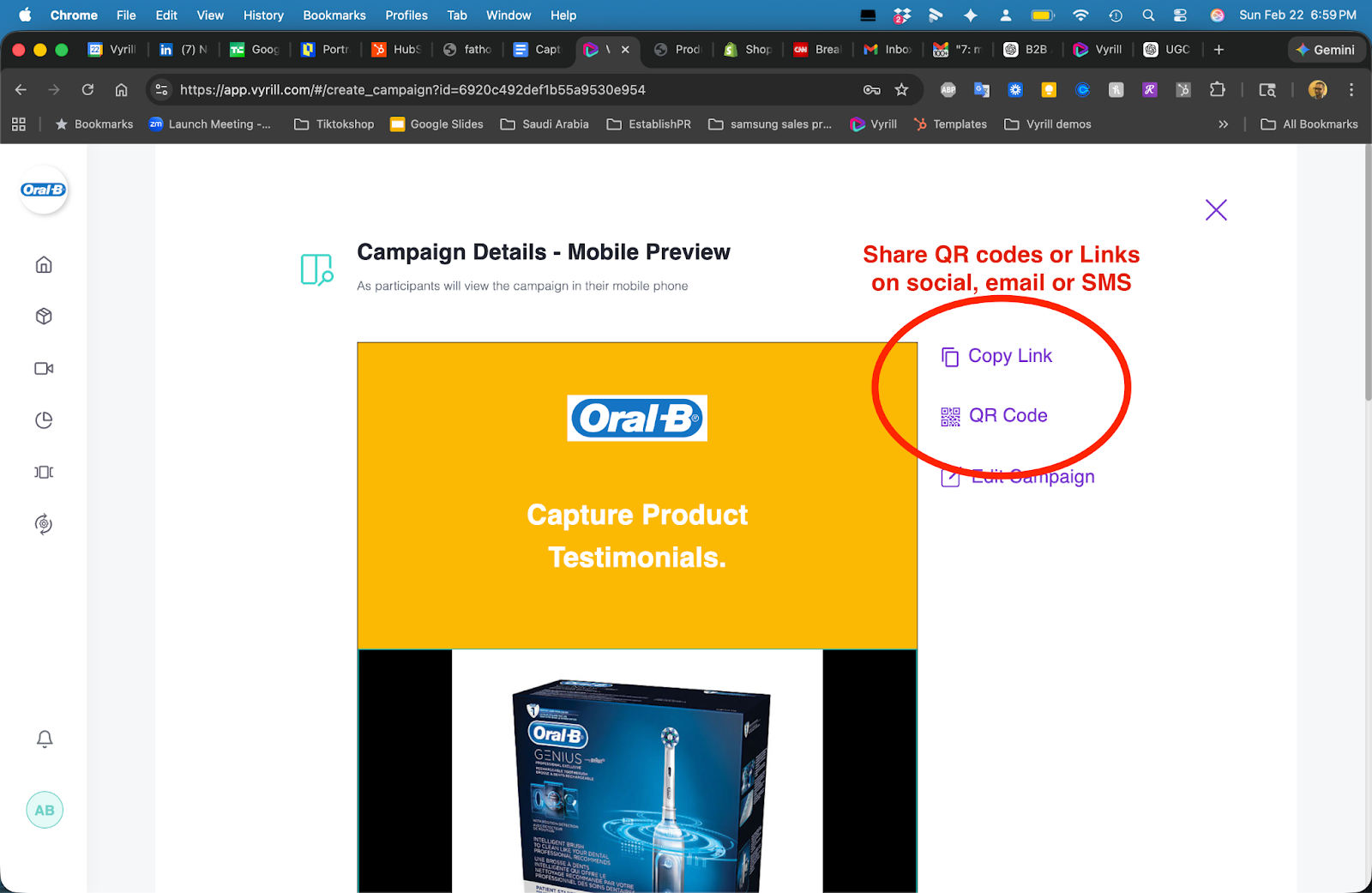
The platform allows you to generate a simple QR code or a dedicated email link. When a
customer
scans the code, they are taken to a frictionless portal where they record their video,
accept the
licensing terms, and submit it instantly. For maximum impact, leading brands are embedding
these QR
codes directly onto their physical product packaging or post-purchase insert cards,
capturing the
customer's reaction at the exact moment their enthusiasm is highest.
The Vyrill dashboard allows marketing teams to monitor all
active video contest
campaigns in one unified view.Setting up a new campaign takes minutes, instantly generating localized QR codes
and
upload portals.
This automated workflow is the only way to truly scale your UGC strategy securely. It
condenses a
multi-day negotiation process into a 30-second customer interaction, radically increasing
submission
rates while drastically lowering customer acquisition costs (CAC) through a steady stream of
organic, high-converting assets. As data shows, executing this correctly is one of the big reasons UGC video
improves ROI.
The AI Analytics Imperative: Rating Content Instantly
Capturing raw video is only half the battle; analyzing it is the other. Sifting through
hundreds of
contest submissions manually drains marketing resources and delays time-to-market. A VP of
Commerce
cannot afford to have their team spend days watching user videos to determine which ones
feature
positive sentiment and clear product framing.
This is where integrating AI video analytics for e-commerce changes the game. Advanced UGC
platforms
apply AI to instantly analyze, rate, and extract actionable insights from incoming videos
the second
a customer hits submit. The AI automatically parses the transcript, evaluates facial
sentiment,
identifies the product in the frame, and assigns a rating.
Beyond simply filtering out negative reviews, this AI transcription and sentiment analysis
uncovers
hidden value. By parsing every spoken word, the AI identifies precisely which organic
"keywords" and
phrases your happiest customers use to describe your product. Marketing leaders can directly
feed
these newly discovered, customer-generated phrases into their paid ad copy and SEO
strategies,
ensuring their messaging resonates perfectly with the target audience.
Imagine deploying a campaign that receives 500 video submissions over a weekend. Instead of a
manual
slog, the AI instantly surfaces the top 50 highly-rated, positive sentiment videos, flagging
them as
ready for deployment.
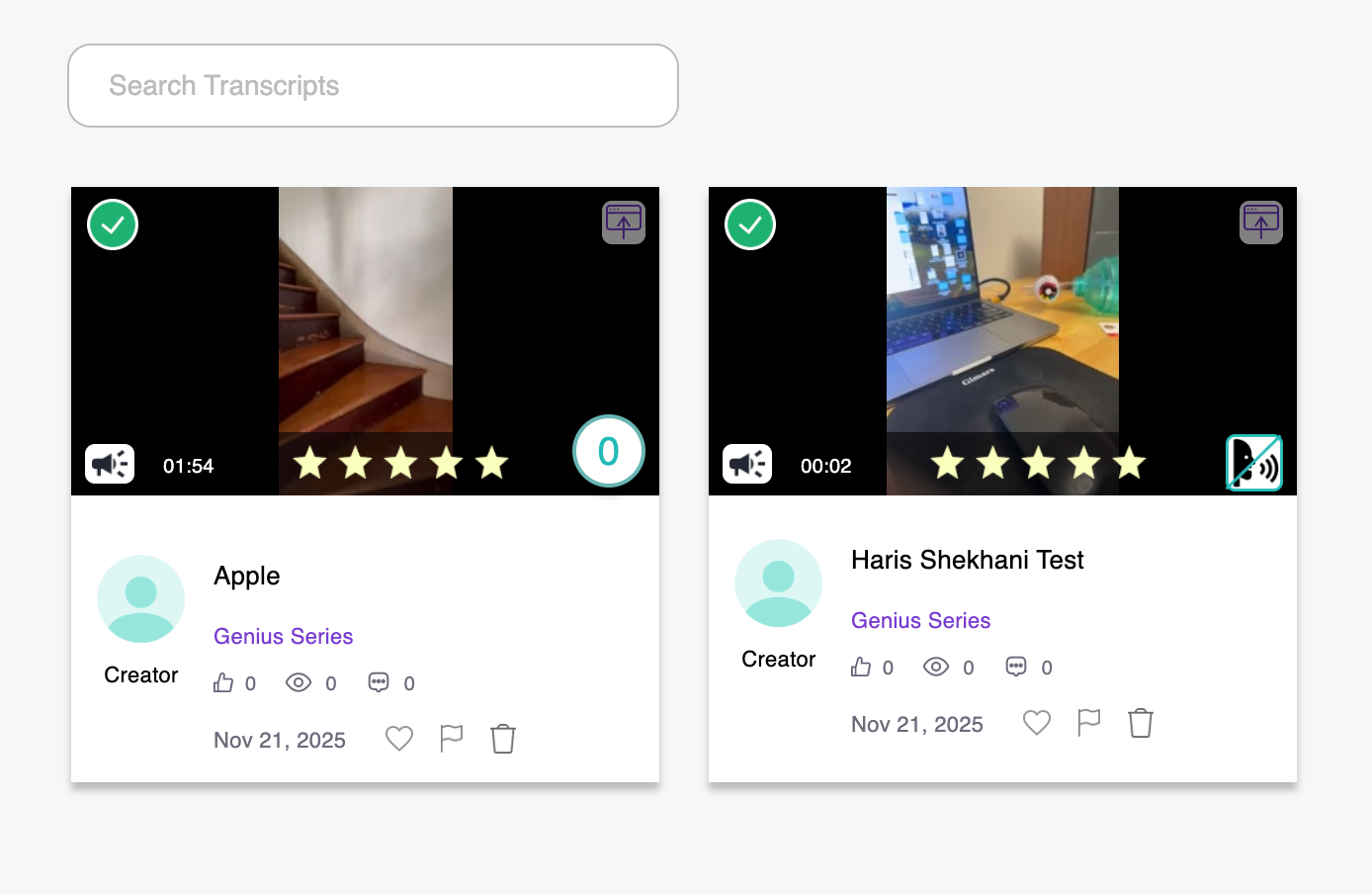
Share your campaign instantly via QR code on packaging or email links directly
to your
CRM.Watch as incoming videos are automatically transcribed, analyzed for sentiment,
and
assigned a star rating by AI.
Crucially, this automated rating step isn't just a convenience metric—it is a strict
requirement.
Modern social commerce platforms demand structured data along with media assets to ensure
quality
control on their marketplaces.
Syndication for Maximum Conversion: TikTok Shop & Shopify
The ultimate goal of capturing authentic video is to deploy it precisely where it directly
influences
purchasing decisions. Once your contest videos are captured, legally licensed, and AI-rated,
they
must be seamlessly published to your storefronts.
Social commerce algorithms thrive on fresh, authentic content. For brands utilizing a dynamic
video
commerce platform for Shopify, embedding these verified, highly-rated customer videos
directly onto
the product detail page (PDP) significantly increases add-to-cart rates. Shoppers seeing
real people
demonstrating the product immediately validates their purchase intent, bridging the gap
between
discovery and conversion.
The integration becomes even more critical when moving off-site to viral marketplaces. TikTok
Shop
has revolutionized how products are discovered and purchased seamlessly in-app. However,
playing in
this ecosystem requires strict adherence to their data rules. The TikTok algorithm
aggressively
prioritizes natively rated, high-retention video content that keeps users engaged.
Specifically,
official seller policies state that TikTok
requires that all video reviews be rated (1 to 5 stars) before they can be
syndicated to the
Shop.
If you are not using automated TikTok Shop video reviews software that captures both the
video
and the quantitative rating via AI, you cannot syndicate that content. By feeding
these
channels a continuous stream of natively rated UGC videos, you effectively turn your
customer base
into a high-converting, automated sales force that satisfies algorithm requirements and
fully
leverages video
reviews in e-commerce best practices.
Conclusion
Scaling authentic video capture doesn't require a massive increase in headcount or six-figure
production budgets. It requires shifting your mindset from manual collection to automated,
incentivized capture using targeted contests. By leveraging AI-powered platforms to
streamline video
intake, automated licensing, and instant syndication, B2B marketing leaders can build a
sustainable,
high-ROI video engine that dominates modern social commerce. The brands that automate their
UGC
capture today will be the ones winning the social commerce wars tomorrow.
Frequently Asked Questions
How do you capture video reviews easily?
The easiest method is removing friction for the customer by using a centralized
user-generated
video contest platform. By providing a simple QR code or email link, customers can
record,
upload, and sign licensing rights from their phone in under a minute, directly feeding
your
content library.